The Complete Guide to Glulam Insurance: What Fabricators & Mass-Timber Contractors Need
By Josh Cotner
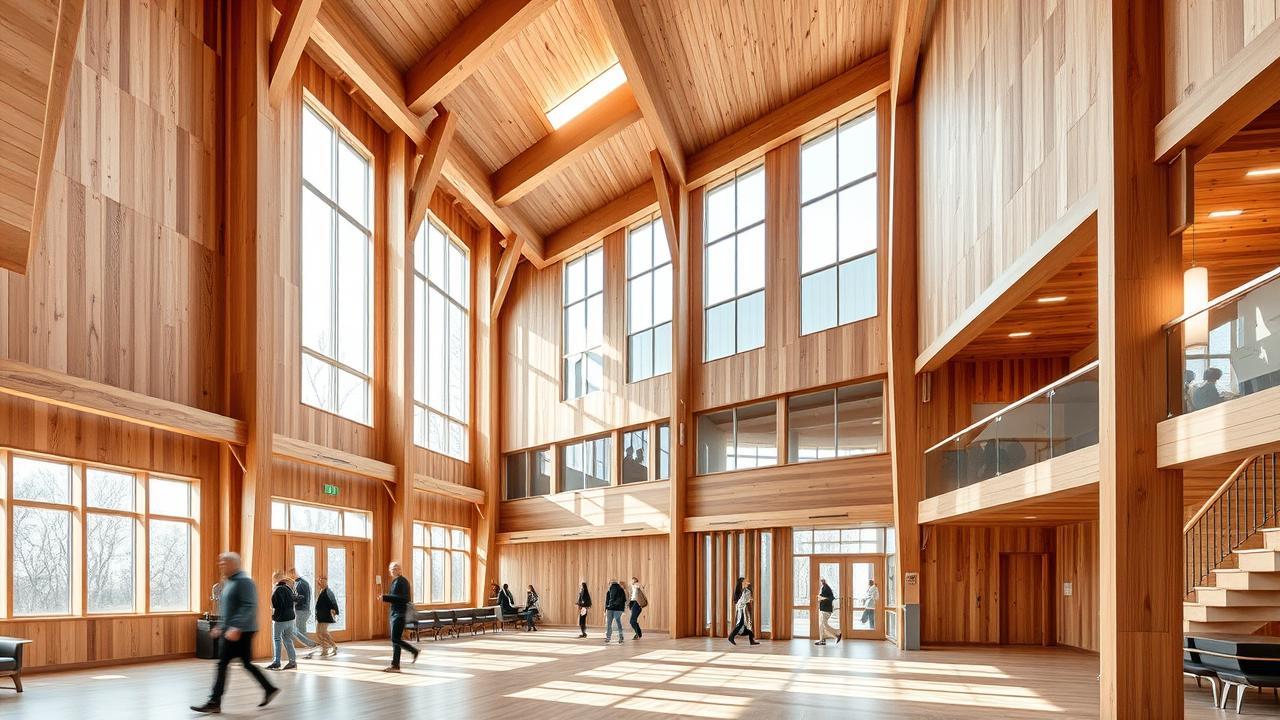
If you manufacture glue-laminated timber, erect it on a jobsite, or do both, you operate in one of the most misunderstood niches in contractor insurance. The exposures that define your work — high-value plant equipment, structural products that carry load for decades, chemical adhesives, and oversize beam hauling — are exactly the ones a standard contractor policy either excludes or badly under-prices. This guide walks through every line a glulam or mass-timber operation actually needs.
Why glulam is different from generic contractor insurance
A generalist insurance agent will usually hand a glulam fabricator a contractor general liability (GL) policy and call it done. That policy was built for a roofer or a remodeler — not for an engineered-wood manufacturer. The result is that the losses most likely to threaten your business are the ones your coverage most likely doesn't respond to:
- A laminating press fails. Standard property covers fire and wind, not internal mechanical failure. Equipment breakdown does.
- A structural member is alleged to have failed years after installation. Standard GL product limits are a fraction of what a structural claim costs.
- An adhesive spill or vapor claim happens. Standard GL excludes pollution, and laminating adhesives are pollutants.
- A beam shifts on the lowboy in transit. Auto covers the truck, not the cargo. Inland marine covers the cargo.
Each of these is a real, recurring claim type in engineered wood, and each requires a specific line of coverage to address. That's what this guide covers.
The eight coverage lines that matter
1. General Liability (GL)
Your foundation. GL covers third-party bodily injury and property damage — a visitor hurt on your jobsite, damage to an adjacent structure during erection, and completed-operations claims that surface after a project closes out. For glulam, the critical detail is making sure beam-handling and crane/lift operations are clearly in scope and that your completed-operations limits reflect the long tail of structural products.
2. Property & Equipment Breakdown
For a fabricator, this is the highest-value line and the most commonly mis-insured. Property covers the building and contents. Equipment breakdown (formerly boiler and machinery) covers the internal mechanical and electrical failure of your hydraulic laminating press, RF curing system, kilns, and saw lines — plus the business-interruption income you lose while the line is down. A large laminating press is a seven-figure asset with a long lead time to replace; under-insuring it is the single most expensive mistake glulam fabricators make.
3. Product Liability & Completed Operations
A fabricated glulam beam can carry structural load for a century. That creates a product-liability and completed-operations tail unlike almost any other building product. Standard GL includes a products component, but it's rarely adequate for structural members. Dedicated product liability, placed with carriers that understand engineered wood, gives you the limits and the claims expertise a serious loss demands.
4. Workers' Compensation
Your crews face real, specific hazards — press and saw injuries in the shop, lift and crush exposures from heavy beams, and fall-from-height risk during erection. We split payroll correctly between shop class codes (lower-severity machinery work) and field erection codes (higher-severity height and crane exposure). Mixing them up either over-charges you or leaves claims disputed.
5. Commercial Auto & Inland Marine
Moving an 80-foot glulam beam on a lowboy is its own world of permits, escorts, and exposure. Commercial auto covers the truck and your liability in an accident; inland marine covers the beam itself in transit and the cranes, rigging, and mobile lifting equipment your erection crews depend on. These two lines together are your hauling and lifting program.
6. Builder's Risk
If you erect mass timber, you may carry responsibility for the structure during construction. Mass-timber builder's risk is a specialty line because exposed framing during construction is a recognized fire exposure — and some standard carriers are cautious about it. We work with carriers experienced in mass-timber course-of-construction who understand modern charring behavior and site security.
7. Pollution Liability (CPL)
The phenol-resorcinol, polyurethane, and isocyanate adhesives used in laminating are classified as pollutants. Standard GL excludes them. Contractors pollution liability (CPL) covers adhesive vapor, fume, spill, and indoor-air-quality claims — and for a laminating operation, it's not optional in practice. This is the line most agents can't place for engineered-wood plants; it's essential you have it.
8. Professional Liability (E&O)
If you engineer, detail, or specify the glulam members you produce — or carry delegated-design responsibility on a project — you have professional exposure. A design- or engineering-related claim will be excluded under your GL as professional negligence. E&O covers beam-sizing, load-calculation, and connection-detailing errors. If you both engineer and fabricate, you carry both product and professional exposure, and the two policies need to be coordinated.
How a coordinated program saves you money
The temptation is to buy these lines piecemeal from whatever agent quoted each one cheapest. That's how gaps form — and gaps are where uncovered claims live. A coordinated program structures all eight lines so there's no overlapping coverage (you're not paying twice) and no missing coverage (no claim falls between policies). In practice, a well-structured coordinated glulam program often costs less than a stack of disconnected standalone policies while covering dramatically more.
What to do next
If you're a glulam fabricator or mass-timber contractor carrying coverage that was built for a generic contractor, the most valuable call you can make is to get a real review of your program against the eight lines above. We place this coverage every day for engineered-wood operations across the country — often delivering coordinated quotes in about 15 minutes and bound programs in a day.
The trade-off is simple: a modest, well-structured premium now, or the full cost of an uncovered claim later. For glulam, that's not really a choice.
Need this coverage for your glulam operation?
Get a real quote in about 15 minutes — we shop specialty markets that actually write engineered-wood fabrication and mass-timber construction.