Pollution Liability for Glulam Adhesives: Why Standard GL Leaves You Exposed
By Josh Cotner
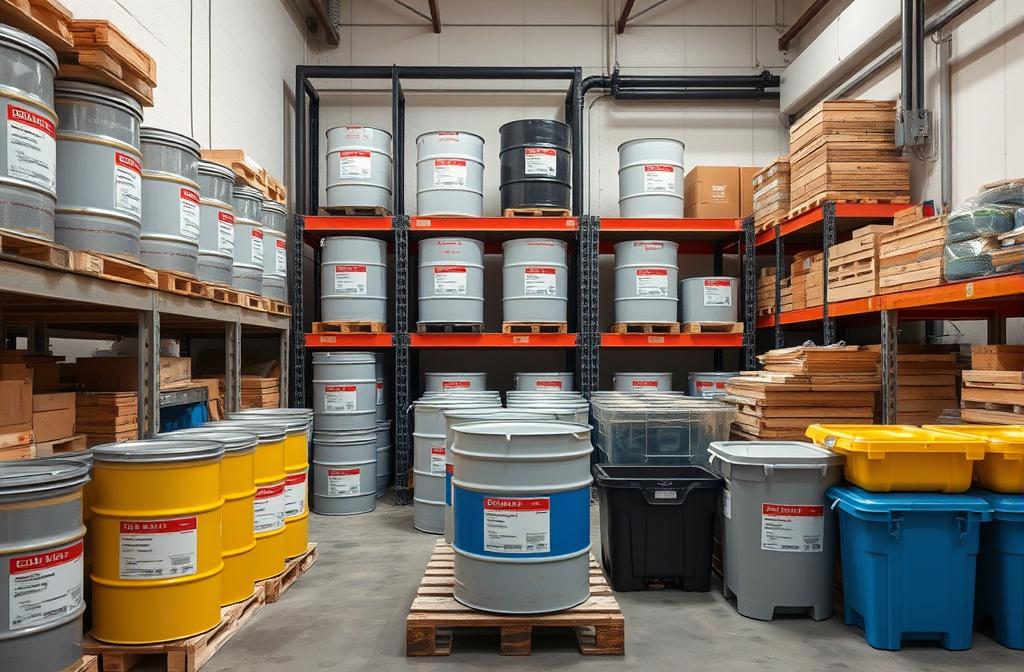
If you run a glulam laminating line, you handle chemical adhesives every single day. Phenol-resorcinol resins, polyurethane adhesives, and isocyanate-based bonding systems are the glues that turn dimension lumber into structural engineered-wood members capable of spanning a gymnasium or carrying the roof of an arena. They're also, under the definitions in your insurance policies, pollutants — and that single classification creates the biggest coverage hole in the glulam insurance market.
The problem: adhesives are pollutants under your GL policy
Almost every standard general liability (GL) policy in force today carries a pollution exclusion. The exact language varies, but the practical effect is the same: your GL policy will not pay for claims arising from the release, discharge, or migration of pollutants at or from your operations.
The adhesives used in laminating meet the definition of a pollutant under those exclusions. That means claims involving any of the following can be denied under your GL:
- Adhesive vapor and fume claims from the laminating line
- Indoor air quality complaints tied to off-gassing from curing adhesives
- Chemical spills during adhesive handling, transfer, or storage
- Vapor migration from the plant to adjacent properties or soil
- Sensitization claims from employees or neighbors exposed over time
- Cleanup and remediation costs after a release
These aren't hypothetical exposures — they're the routine chemical-handling reality of a laminating operation. A GL policy that excludes them isn't really insuring your trade.
Why fabricators don't always notice the gap
The reason many glulam fabricators carry inadequate pollution coverage is that the gap is invisible until a claim happens. Your GL policy says it covers bodily injury and property damage. It lists a premium. It came with a certificate you could show customers. Nothing on its face suggests that the core chemical process in your plant is excluded — until you read the pollution exclusion carefully and realize the adhesives on your laminating line are squarely within it.
By the time a vapor complaint, a spill, or a regulator-driven cleanup surfaces, it's too late to close the gap. The claim is a pollution claim, your GL doesn't cover pollution, and the cost lands on your business.
What contractors pollution liability (CPL) actually covers
Contractors pollution liability is the line built specifically to fill this gap. A well-written CPL policy for a glulam fabricator responds to bodily injury and property damage arising from pollution conditions caused by your operations, including:
- Adhesive vapor, fume, and indoor-air-quality claims
- Chemical spills and mishandling of resins, curing agents, and solvents
- Off-site migration of contaminants from the plant
- Cleanup, remediation, and disposal costs (which can be substantial)
- Your defense costs when a pollution claim or suit is filed
CPL is available as a standalone policy or packaged with your property and GL program. For most laminating operations, packaging it keeps the coverage coordinated so there's no dispute between carriers about which policy responds to a given claim.
Two details that determine whether your CPL actually pays
Not all CPL policies are created equal. Two details in the policy form determine whether a claim you'd expect to be covered actually gets paid:
Claims-made vs. occurrence. A claims-made policy responds only if the claim is reported during the policy period (or an extended reporting period after it). An occurrence policy responds to any pollution condition that occurred during the policy period, regardless of when the claim is filed. For gradual adhesive releases that are discovered years later, the form matters enormously.
The retroactive date. Many claims-made CPL policies include a retroactive date — pollution conditions arising before that date aren't covered. If you're switching carriers or have been operating without CPL, the retroactive date can leave your historical exposure uninsured. We negotiate this date carefully, ideally back to the start of your operations.
We walk every client through exactly which form they're buying and what triggers coverage, because these two details are the difference between a CPL policy that responds the way you expect and one that doesn't.
Customers and regulators are starting to require it
It's increasingly not just best practice — customers, project owners, and environmental regulators are requiring evidence of pollution liability from engineered-wood manufacturers. If you supply glulam into commercial projects, or if your plant is in a jurisdiction with active environmental enforcement, you may already need CPL to keep operating or to keep contracts. Producing a certificate with real pollution coverage — structured correctly — keeps you in good standing.
The affordable line that prevents an existential claim
There's a perception that specialty pollution coverage is prohibitively expensive. In reality, CPL for a glulam laminating operation is frequently a fraction of the cost of a single uncovered spill or vapor claim — and it's the difference between a manageable incident and a threat to the business. The adhesive exposure is unavoidable in your trade; the uninsured status of it is entirely avoidable.
If your glulam operation carries only a general liability policy, the most valuable call you can make is to get contractors pollution liability quoted and bound. We place CPL for engineered-wood plants across the country, often packaged with the rest of your program, and we'll show you exactly what form you're buying and what triggers coverage before you commit.
Need this coverage for your glulam operation?
Get a real quote in about 15 minutes — we shop specialty markets that actually write engineered-wood fabrication and mass-timber construction.